The First Constellations Made from Space Debris.
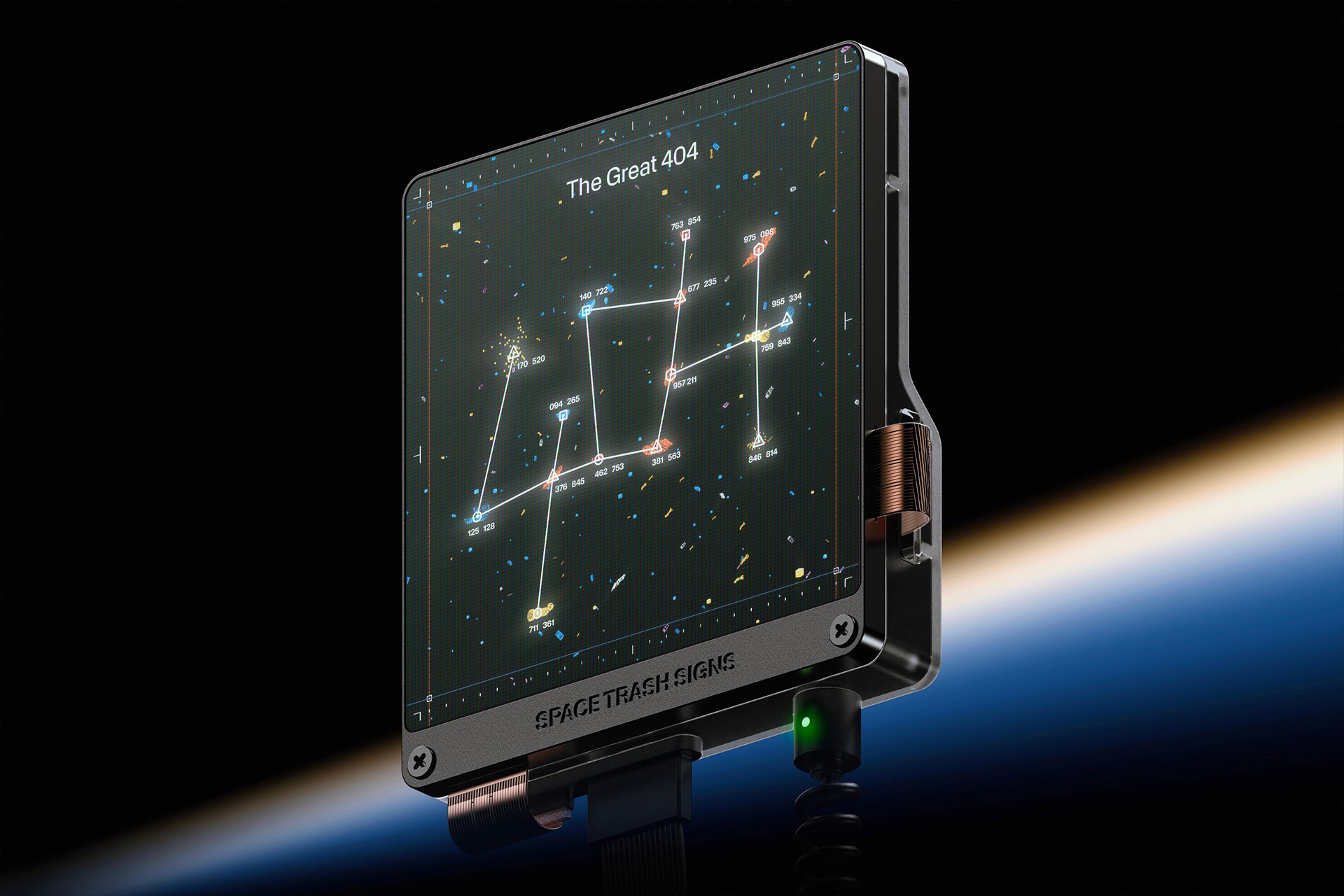
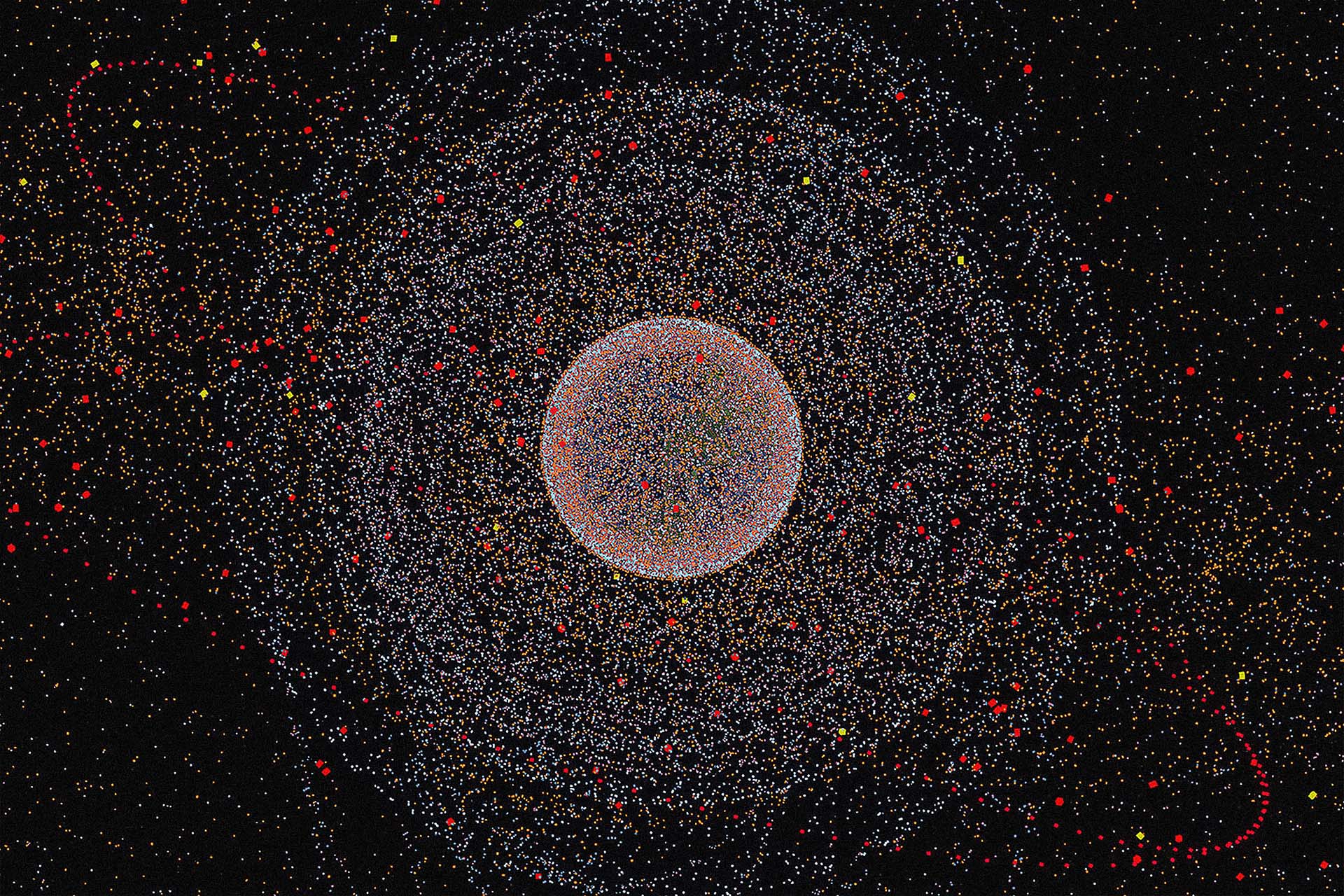
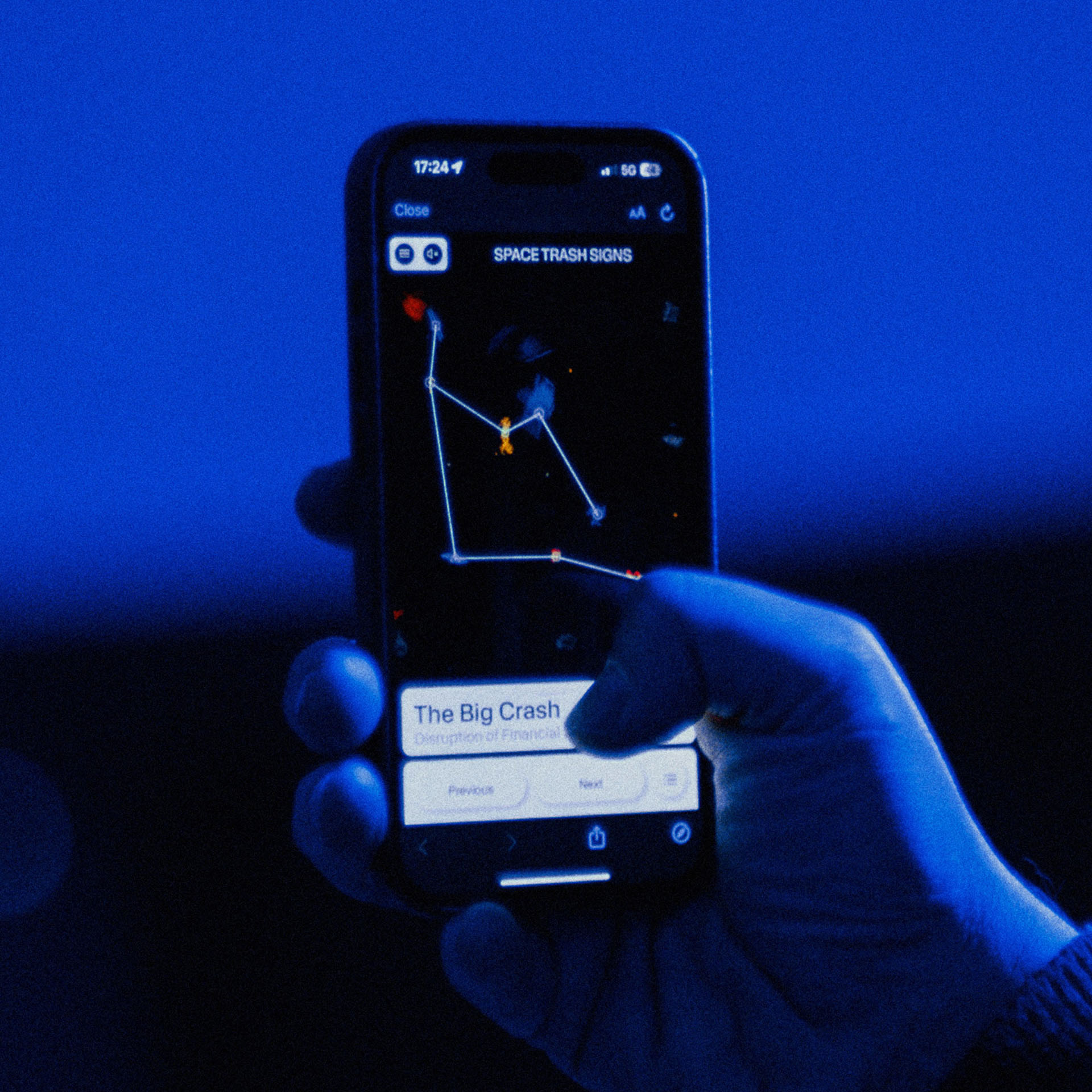
More objects are being launched into space than ever, resulting in more trash in space than ever, which threatens the critical infrastructure that we all depend on, from communication to food production, and more. But people still don't understand the threat because space debris is not visible. “Space Trash Signs” visualizes the consequences of space pollution with the first constellations made from space debris. Powered by millions of datapoints collected by Privateer, the constellations can be experienced through a website, AR apps, planetariums, and educational talks worldwide.
Client
Privateer
Year
2024
Role
Art direction, concept, design concept, strategy, project management, outreach, pitch development, PR, experience design, digital design
Links
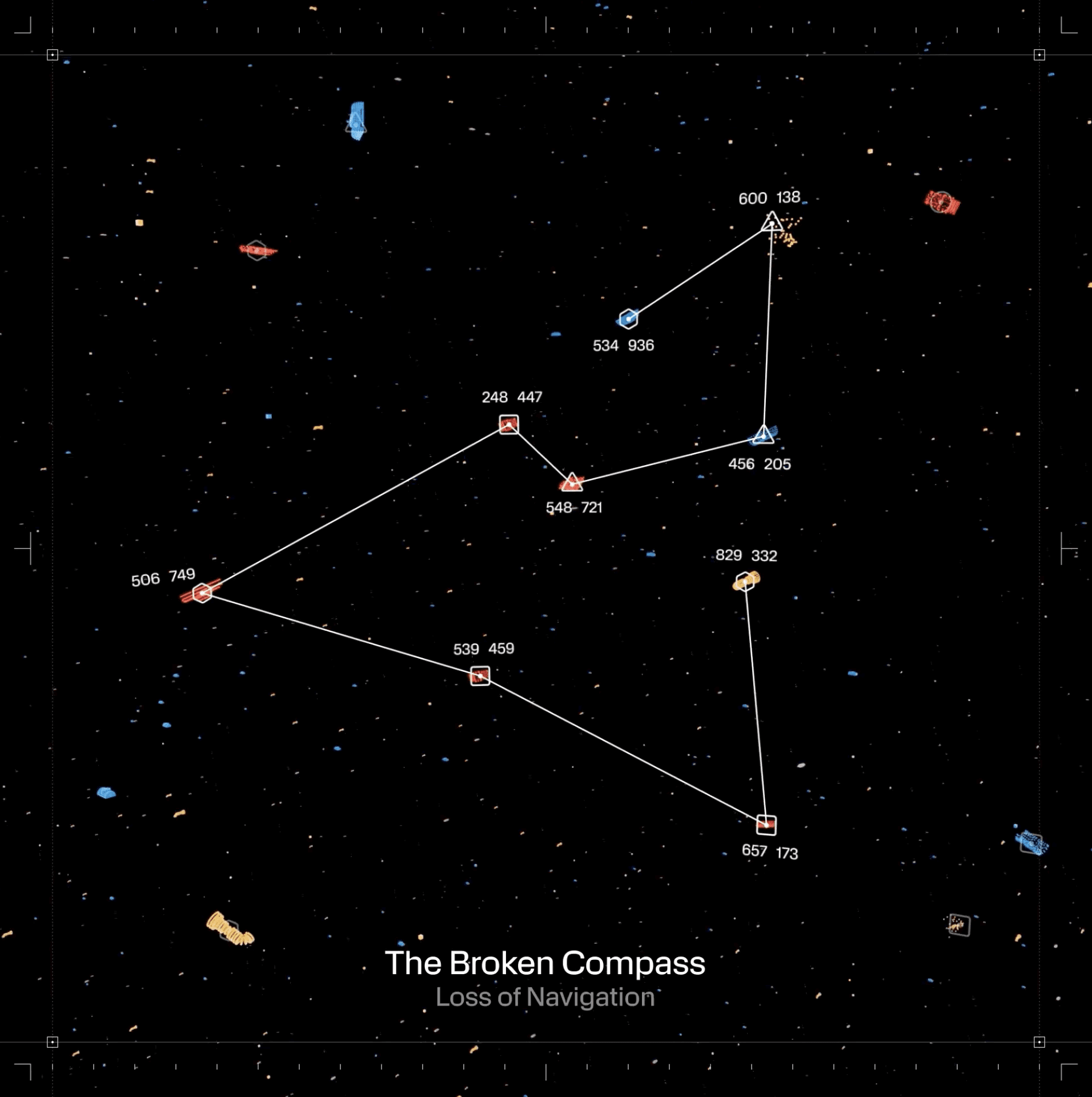
Millions of moving data points were scanned and filtered by location, source object, and shape. The constellations were named according to the nomenclature used by the International Astronomical Union for star-based constellations. Thematic symbols were selected based on their canonical quality while maintaining an abstract layer, much like the constellations we grew up learning.
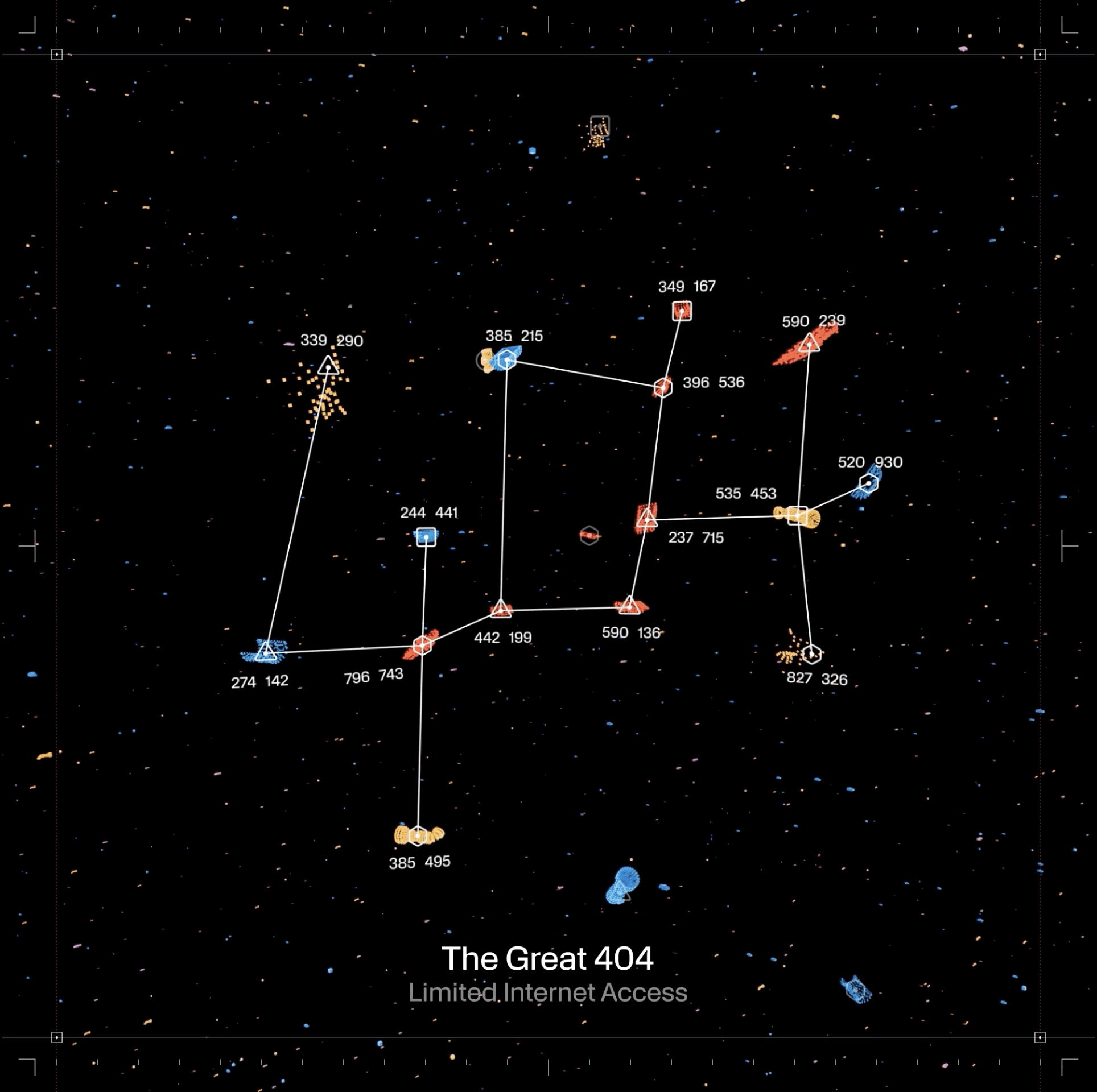
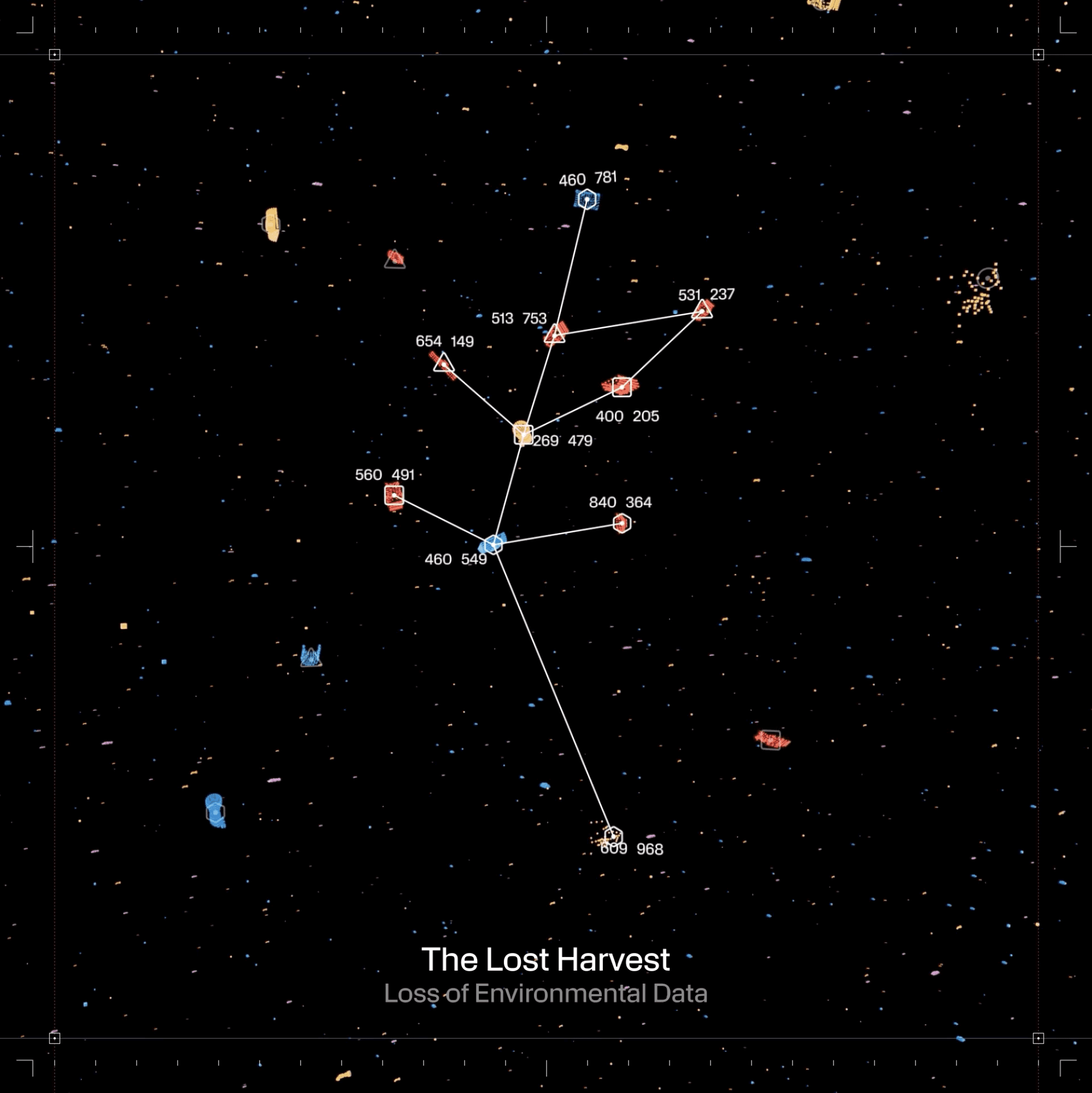
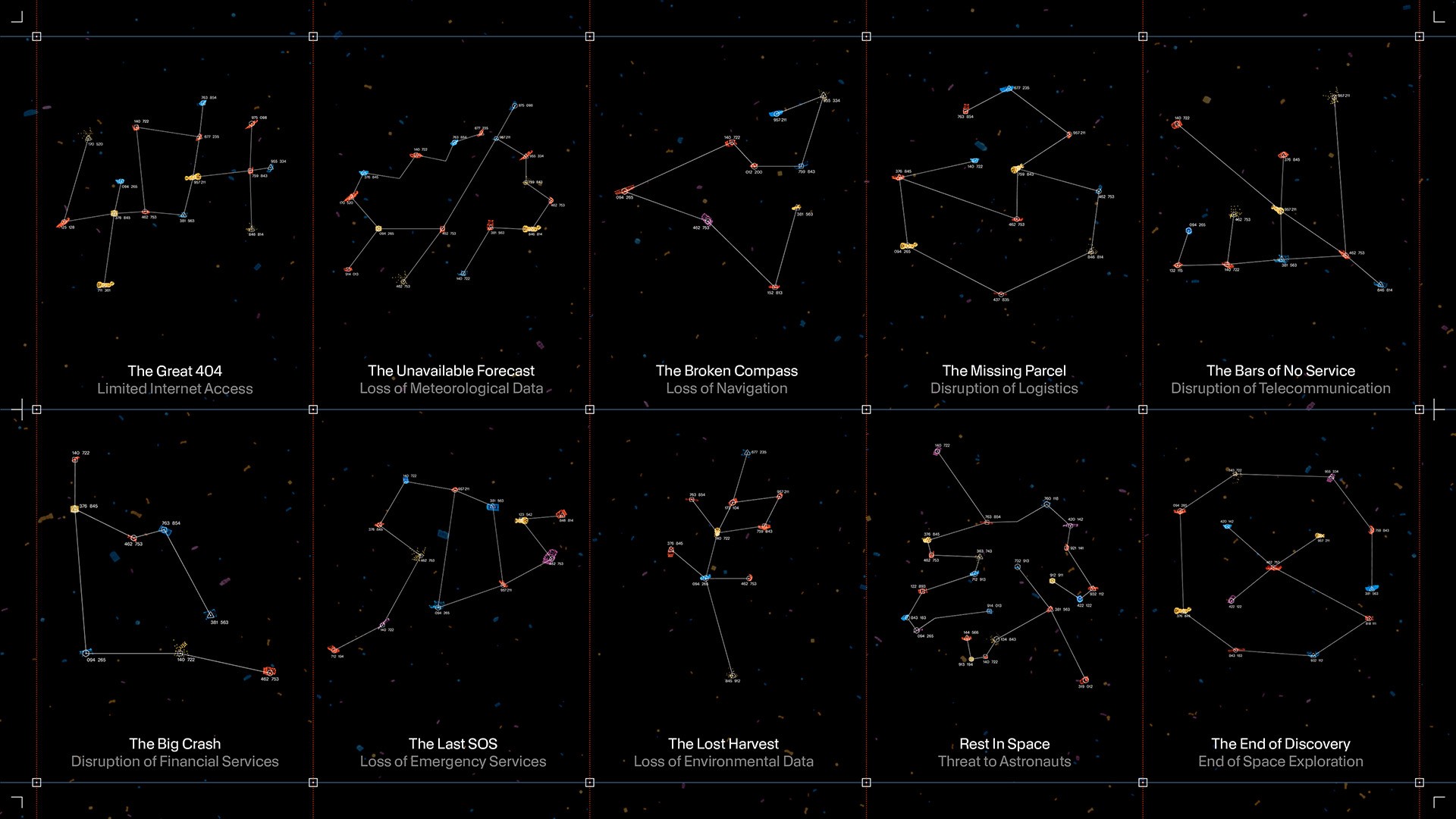
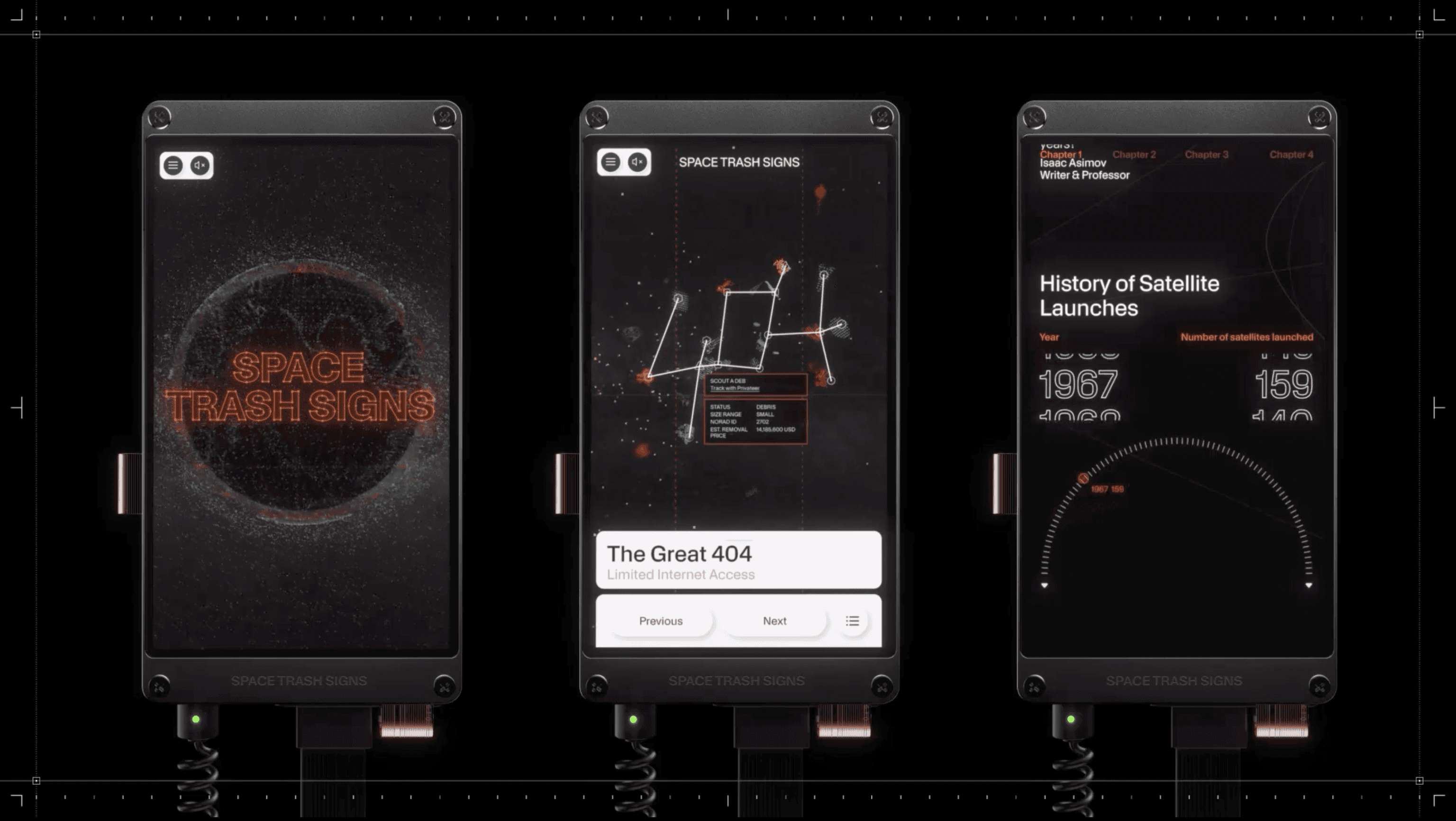
A web-based virtual observatory brings outer space closer to the public. The neumorphic user interfaces draw inspiration from space monitoring equipment. Users can explore data such as origin, position, and even the estimated removal cost for each piece of debris. The interactive experience is accompanied by an editorial covering the whole topic, as well as a page that offers ways to act.
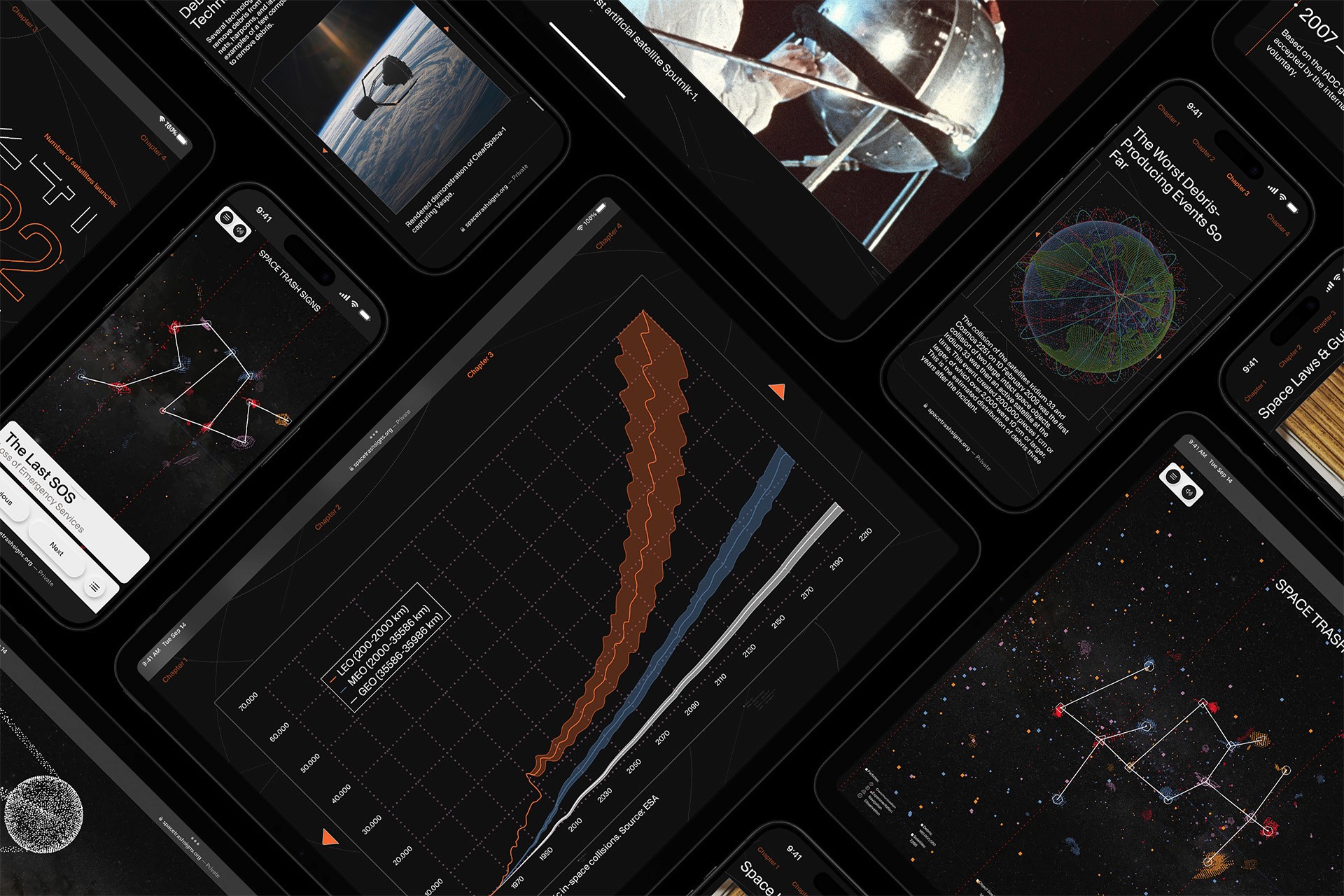
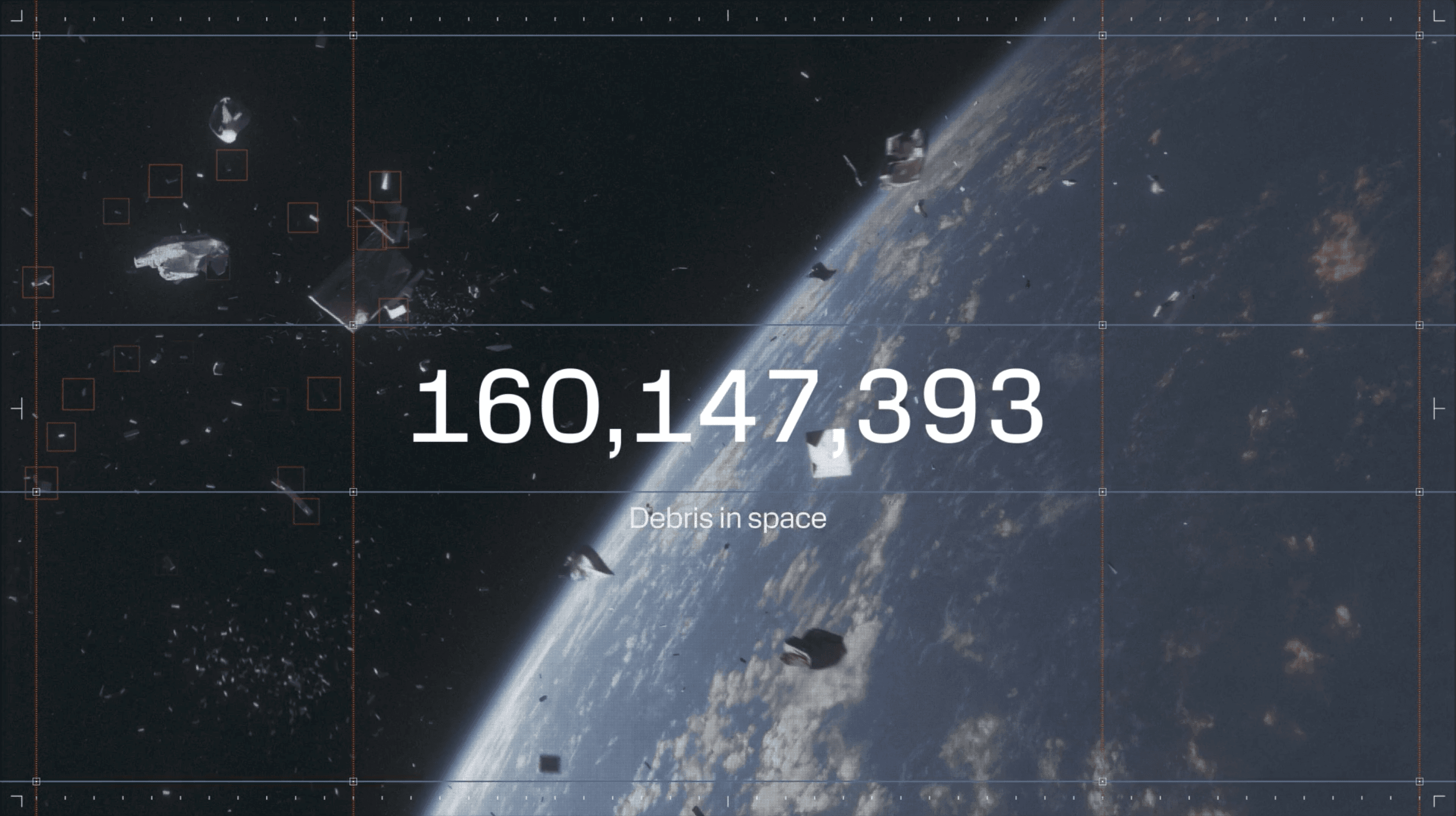
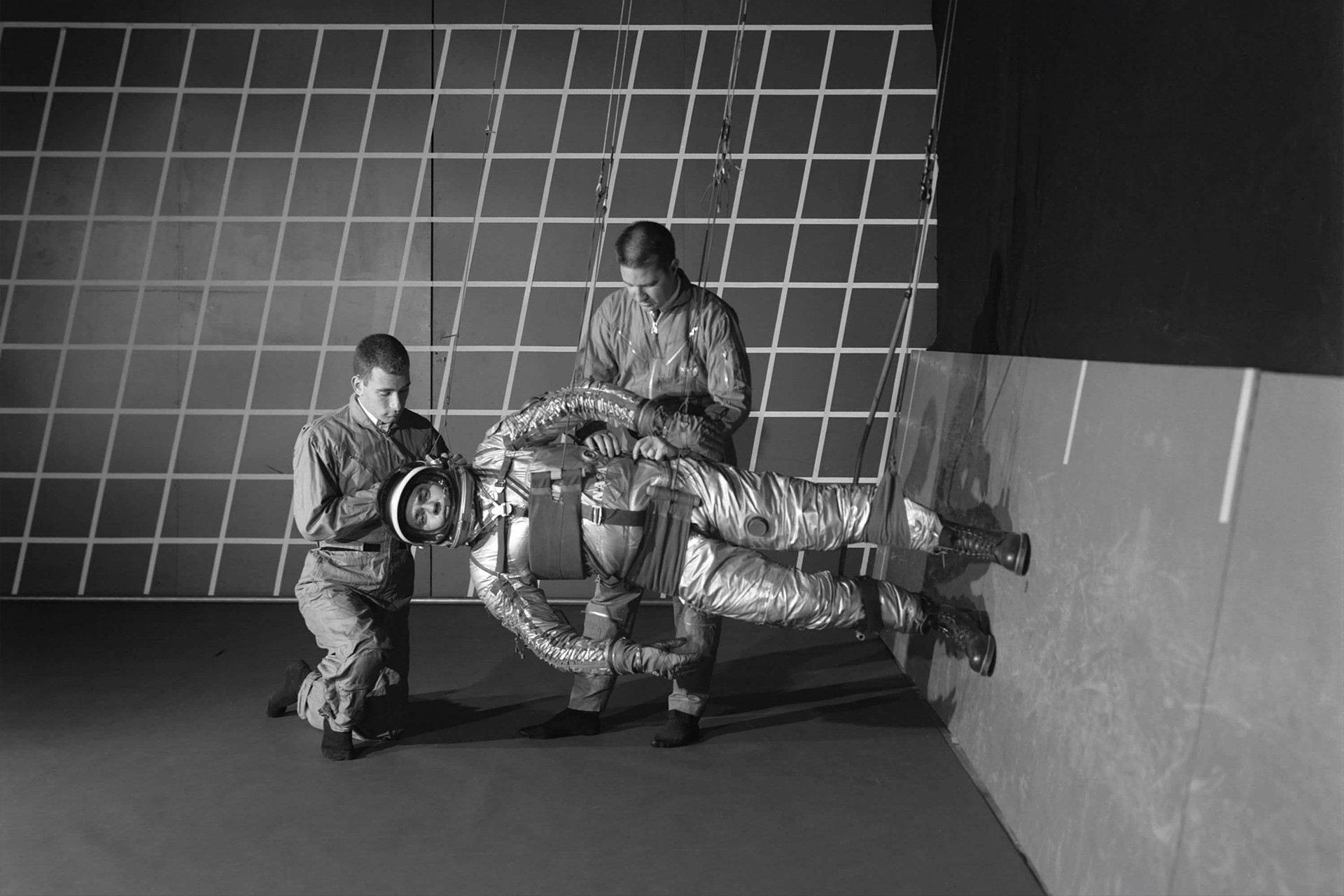
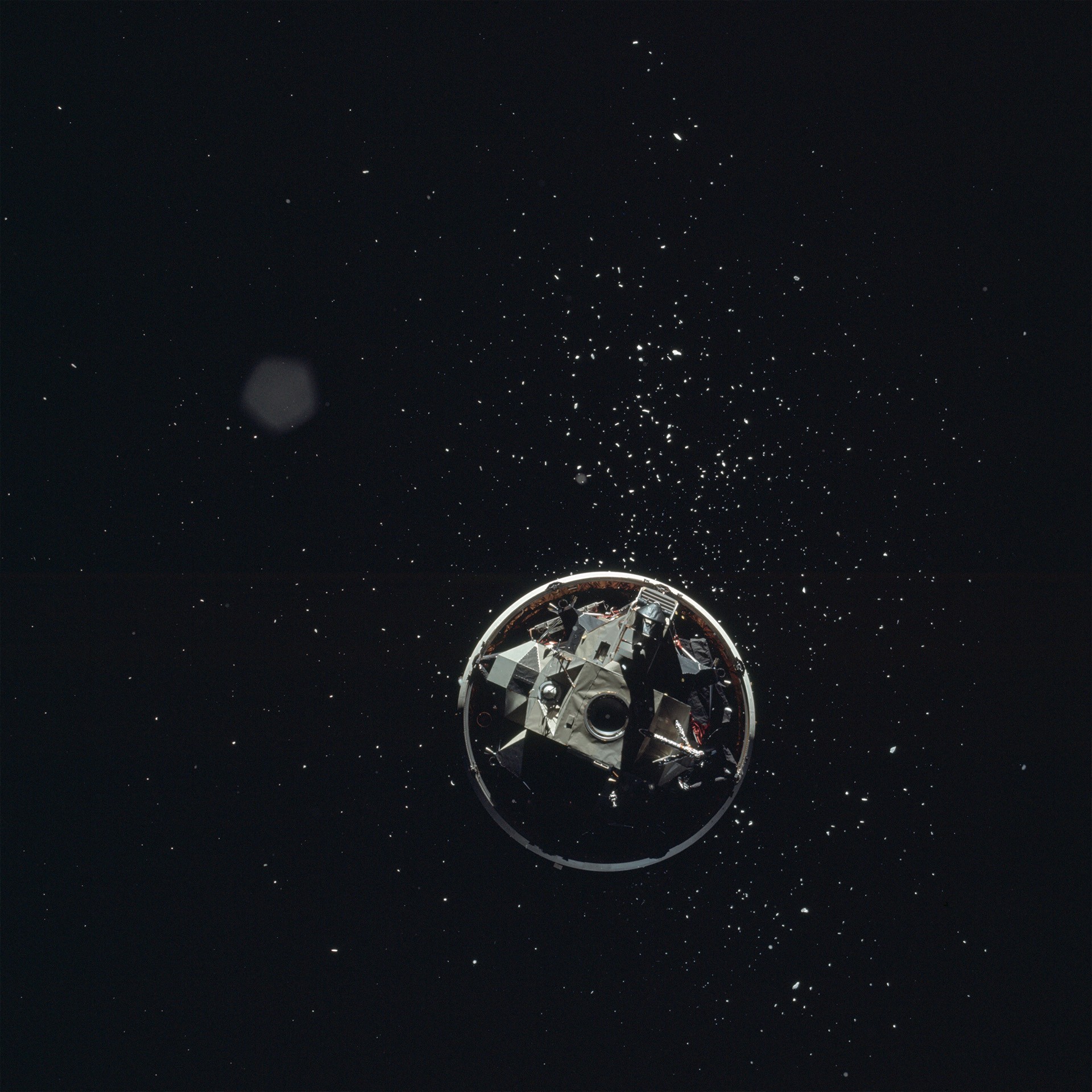
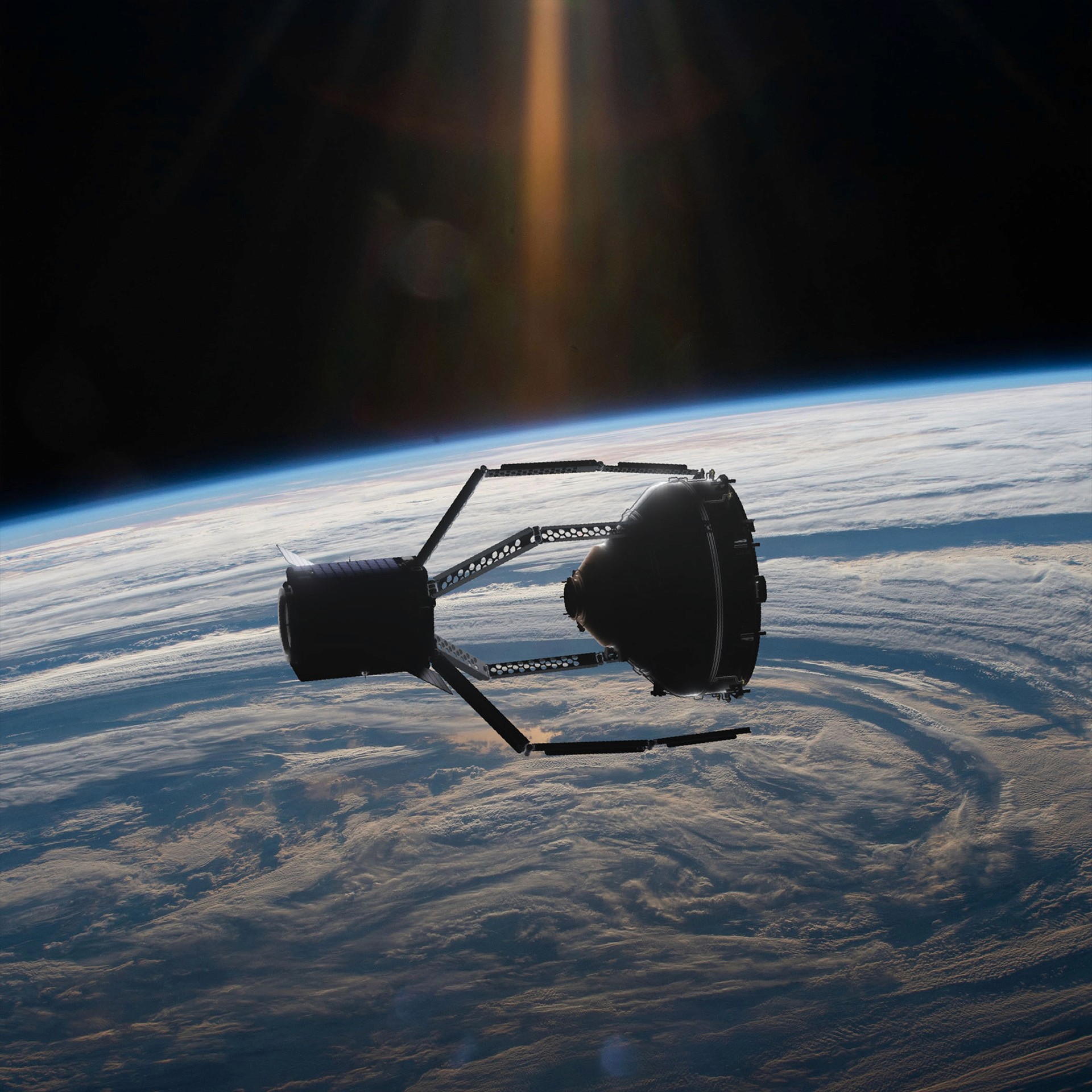
From the launch of the first satellite to the development of space debris removal technology, the editorial section features a wide range of photography to help users engage with this complex subject. The gallery includes historical imagery, aerial photos of the planet captured by satellites, as well as images of debris in space.
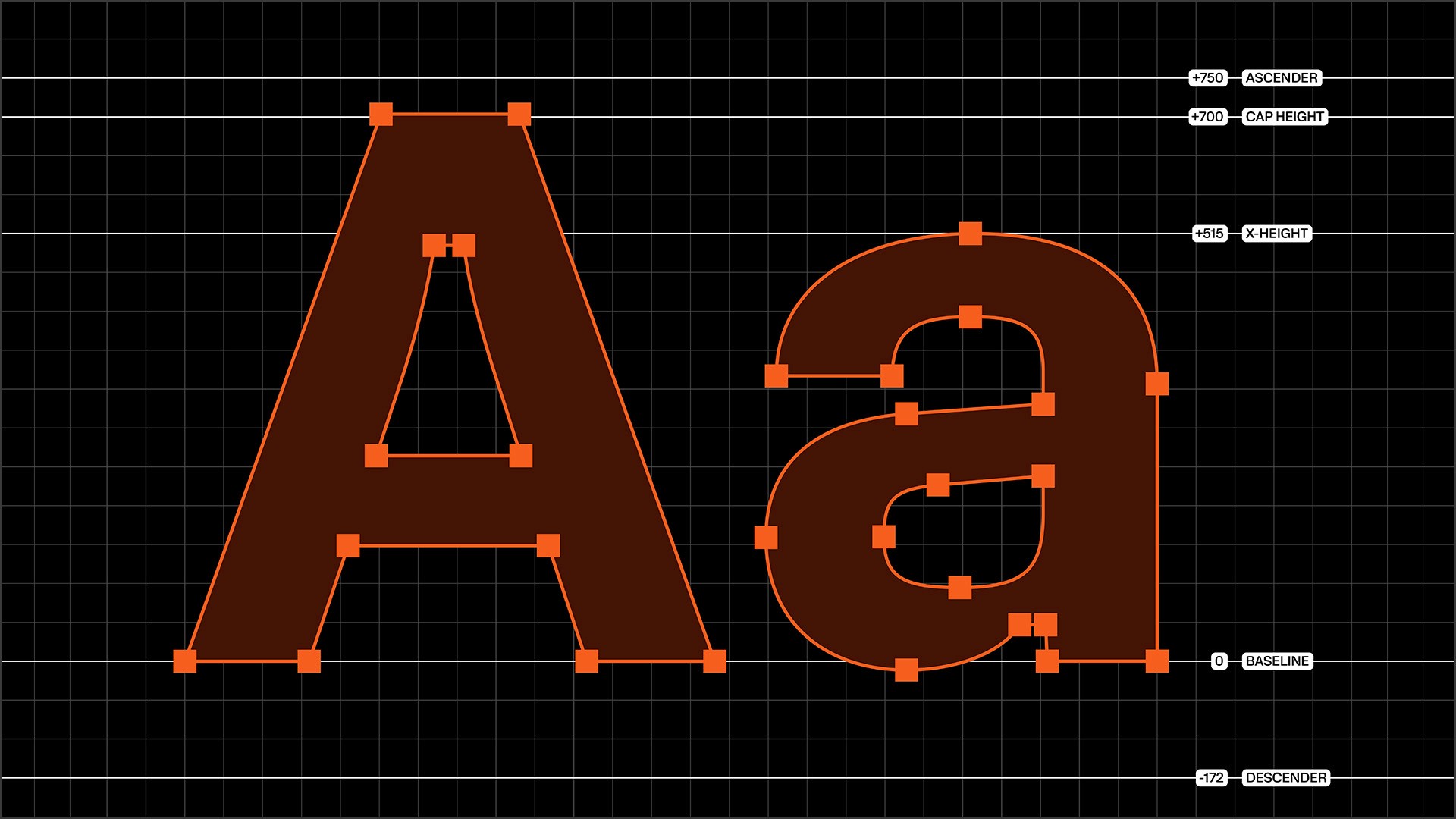
The typeface Apparat by kimera was chosen to set all the text in this data-focussed story. The anchor points of Apparat were rendered using p5js to create Constellation type. Used primarily for special headings, this custom type has a visible skeleton consisting of connected dots.
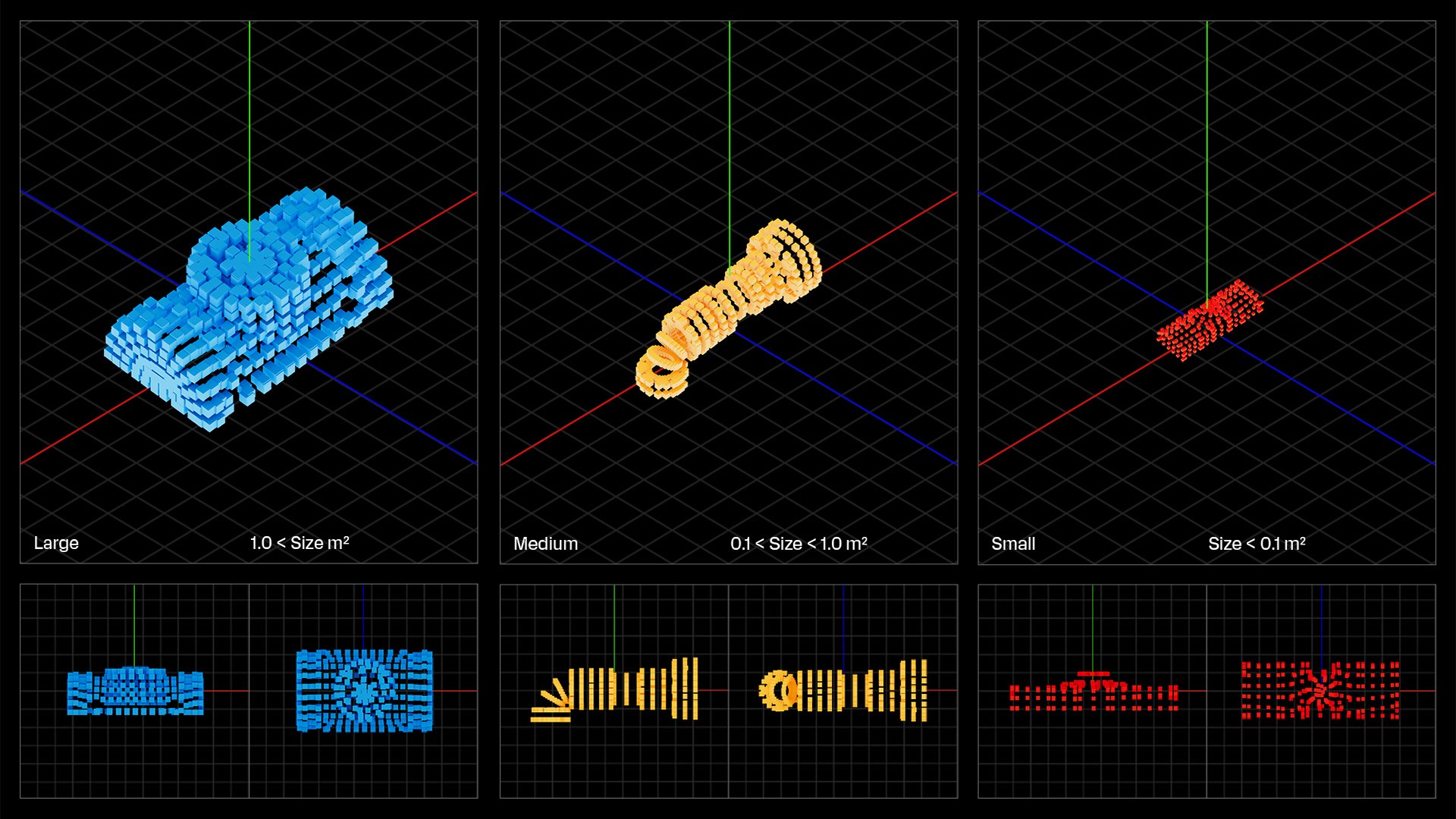
Several elements were used to visualize the physical appearance of debris. The use of bounding boxes to frame images is a nod to the method used to track the debris. Additionally, the point clouds represent the debris fragmentation in the orbit.
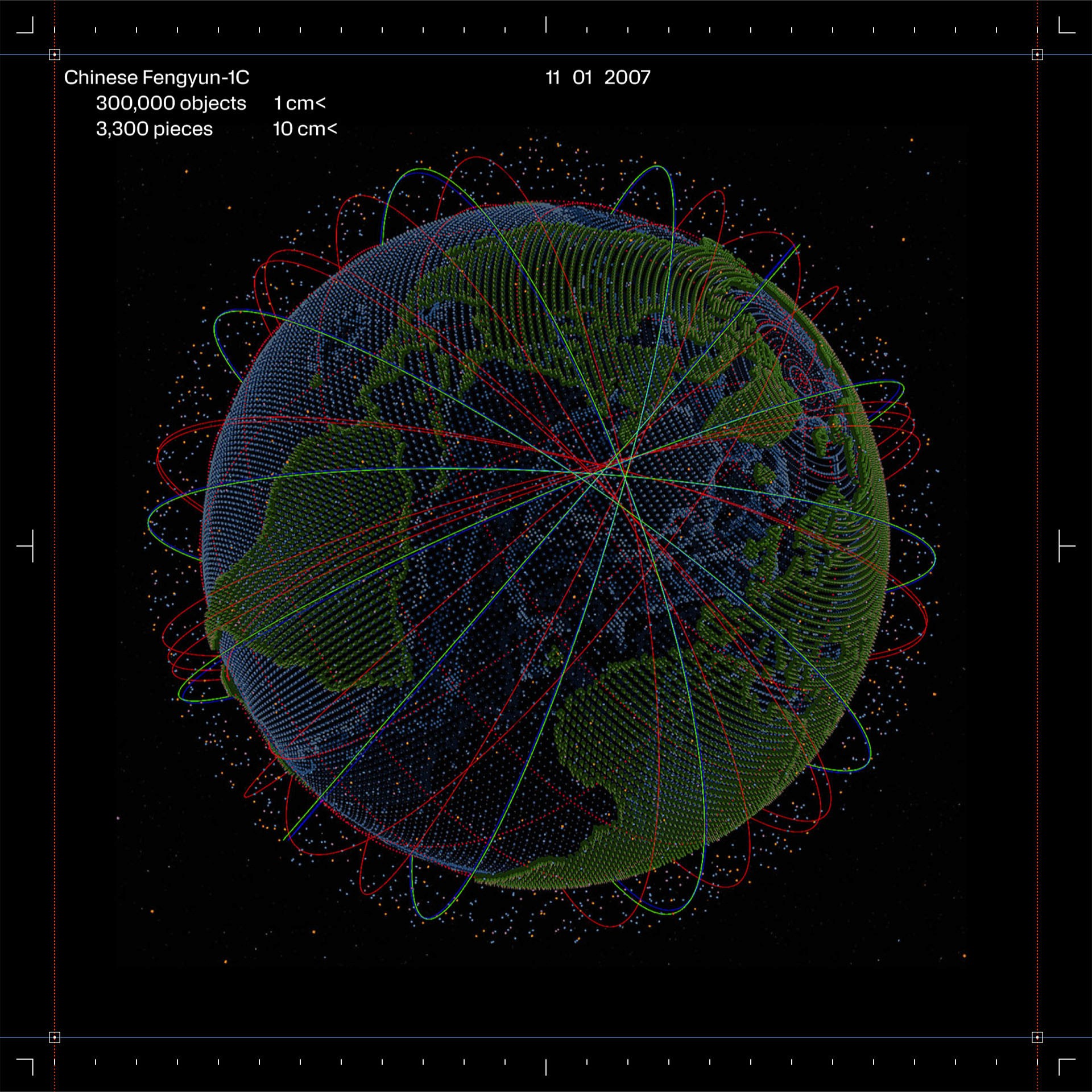
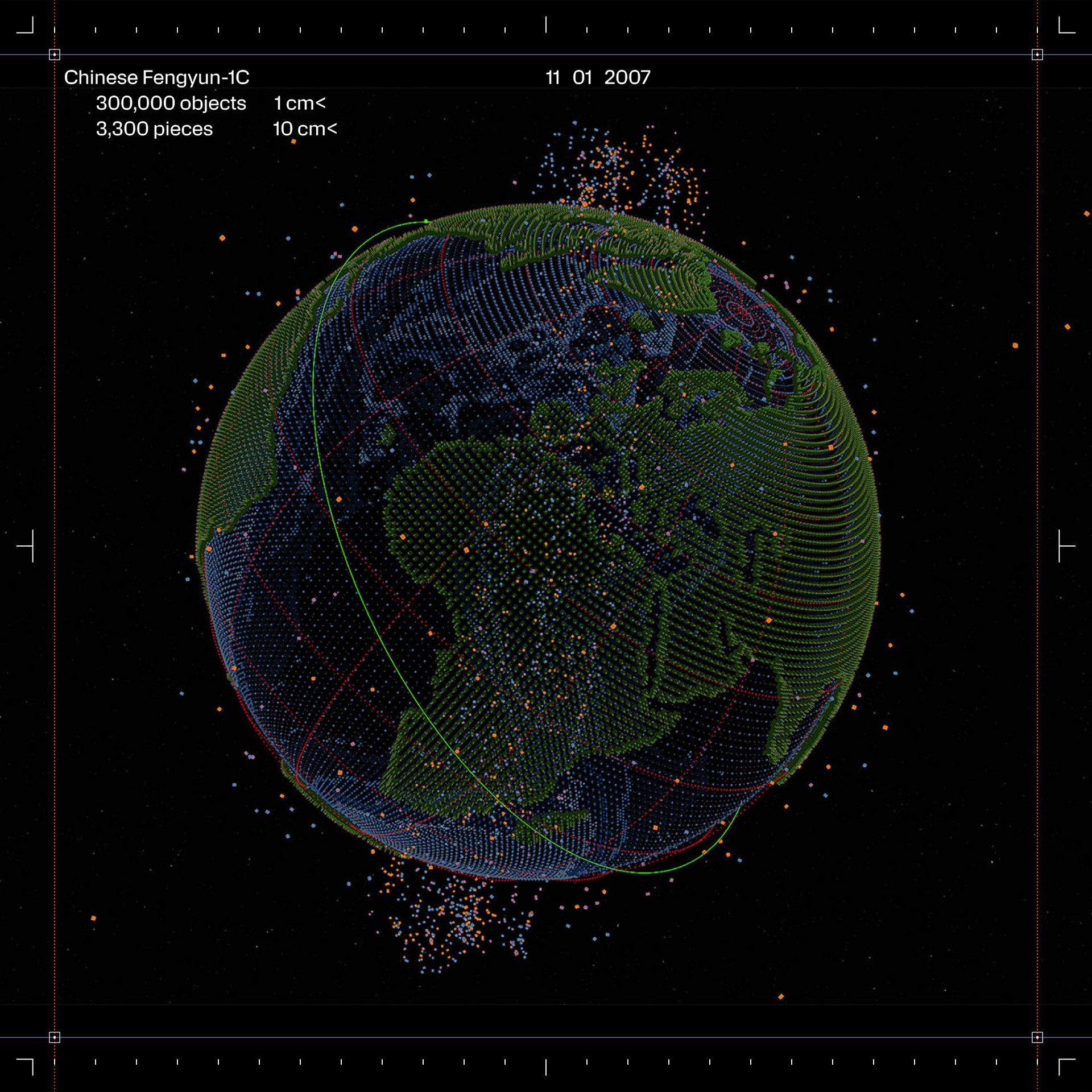
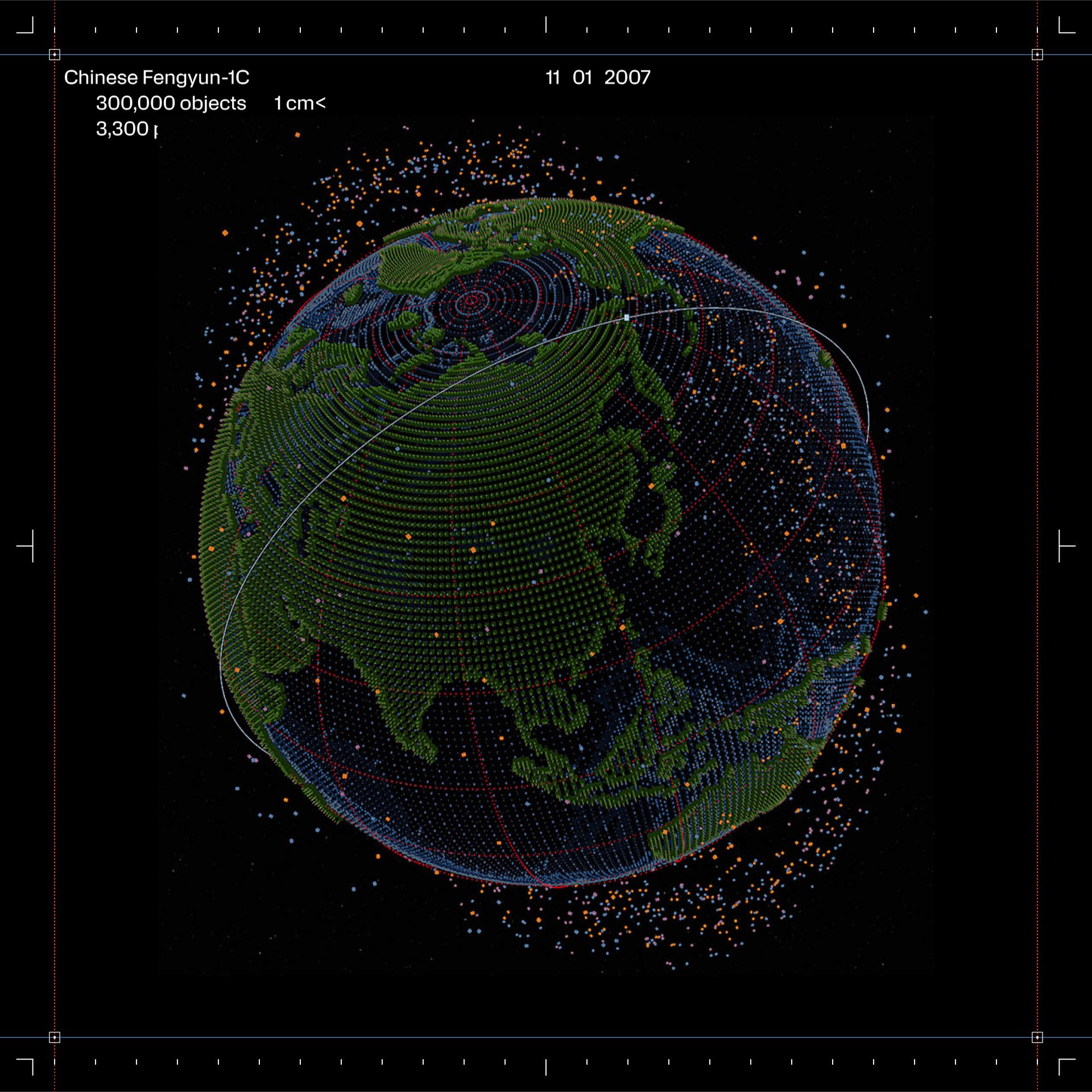
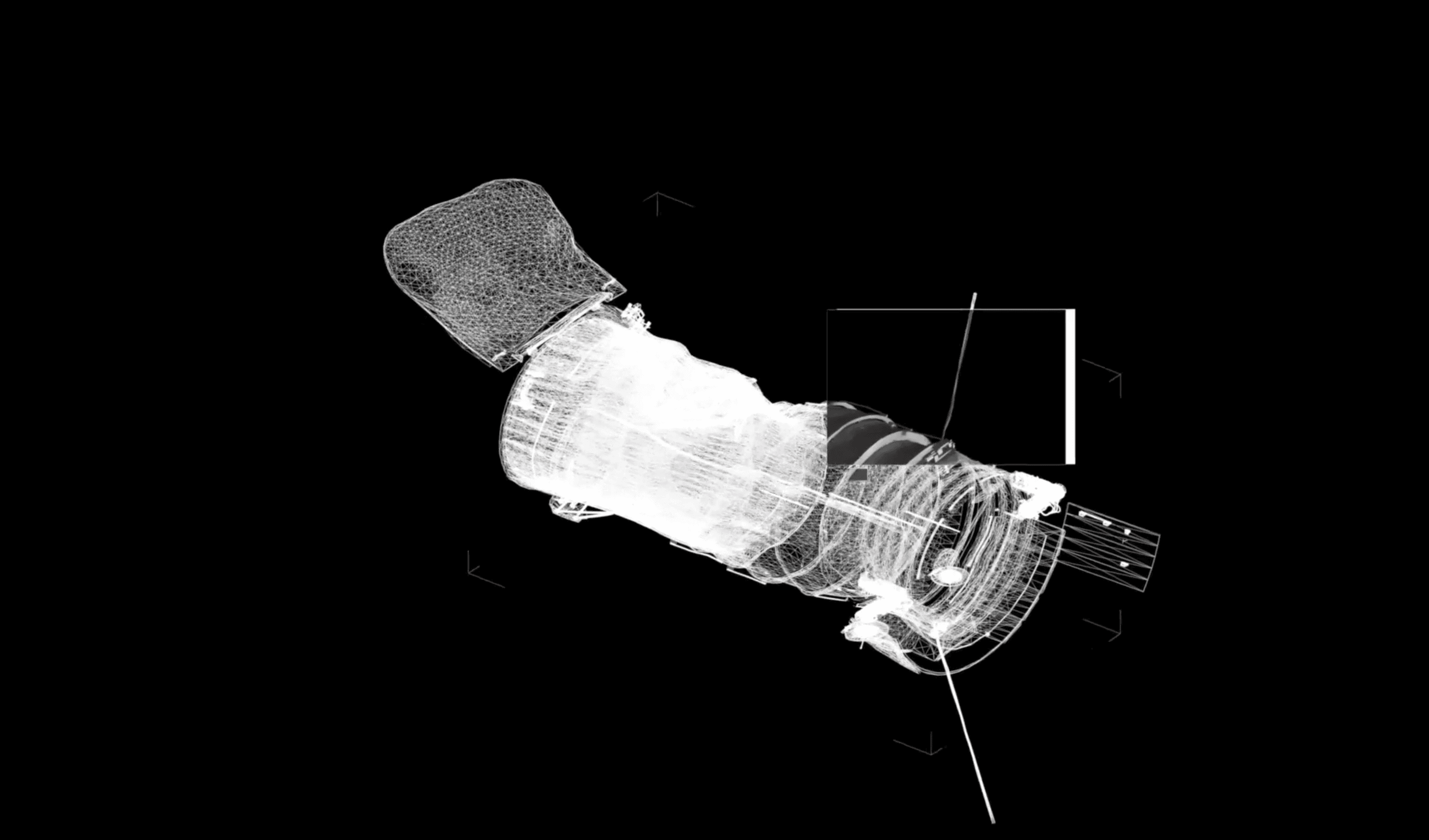
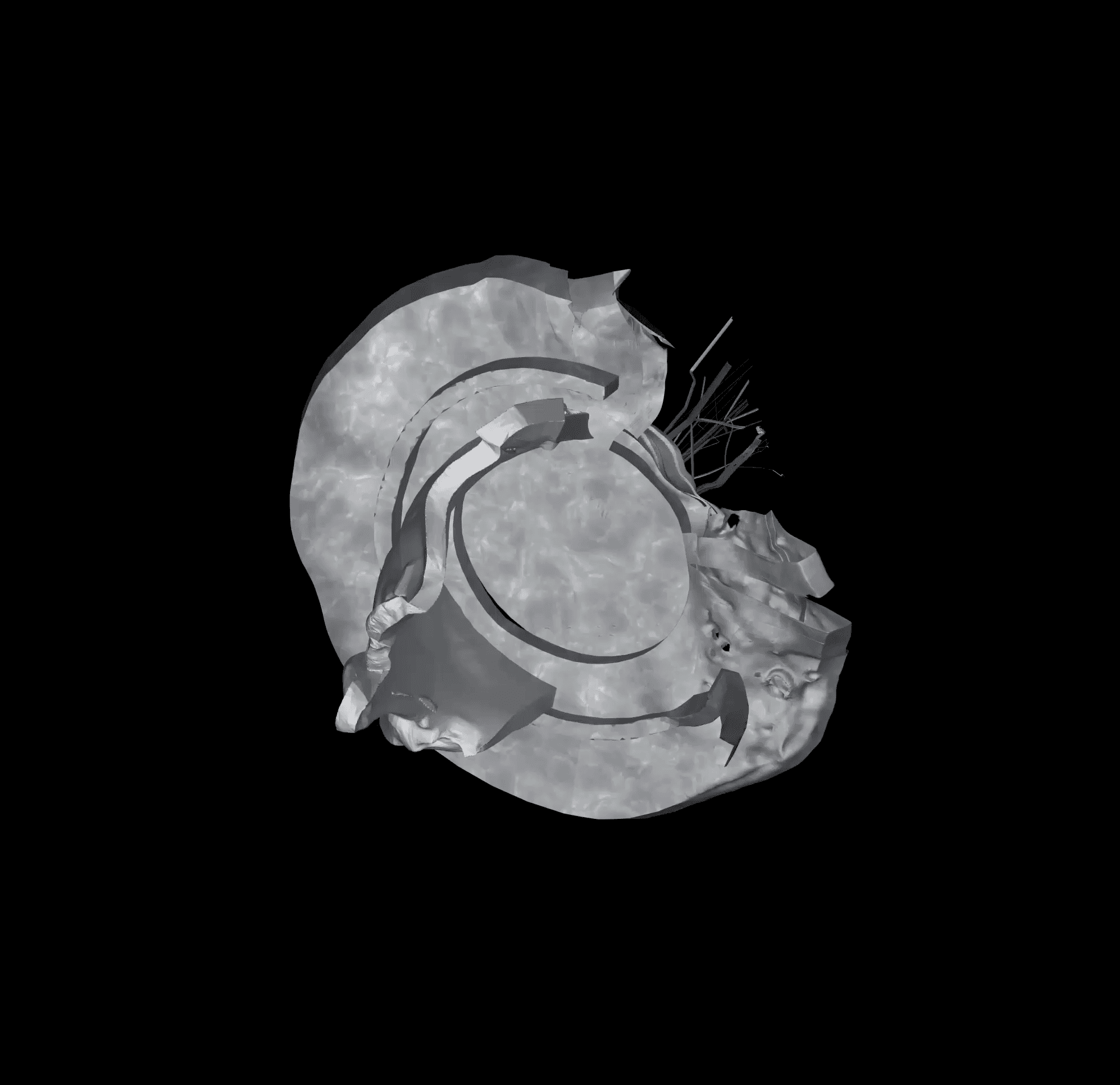
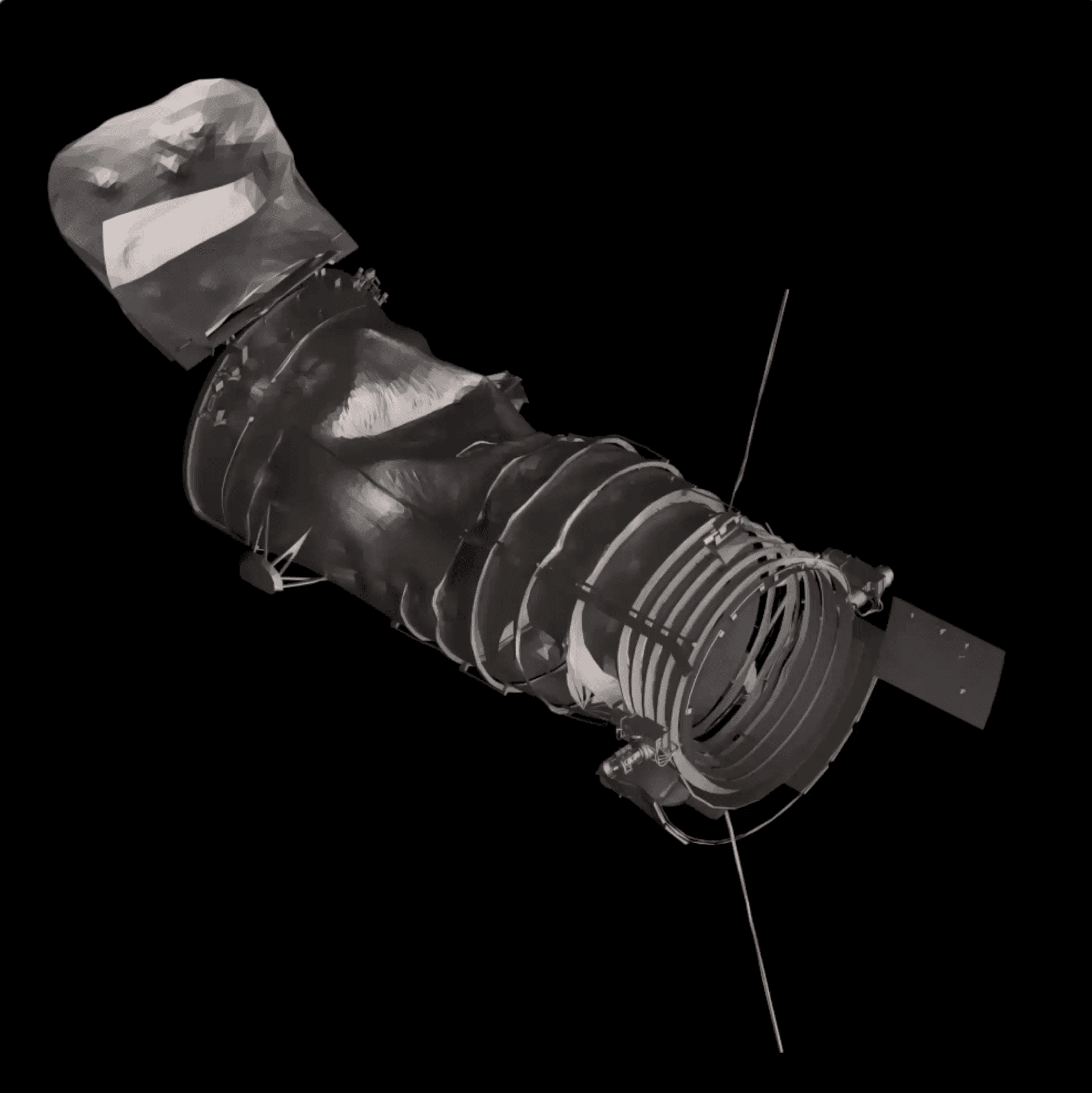
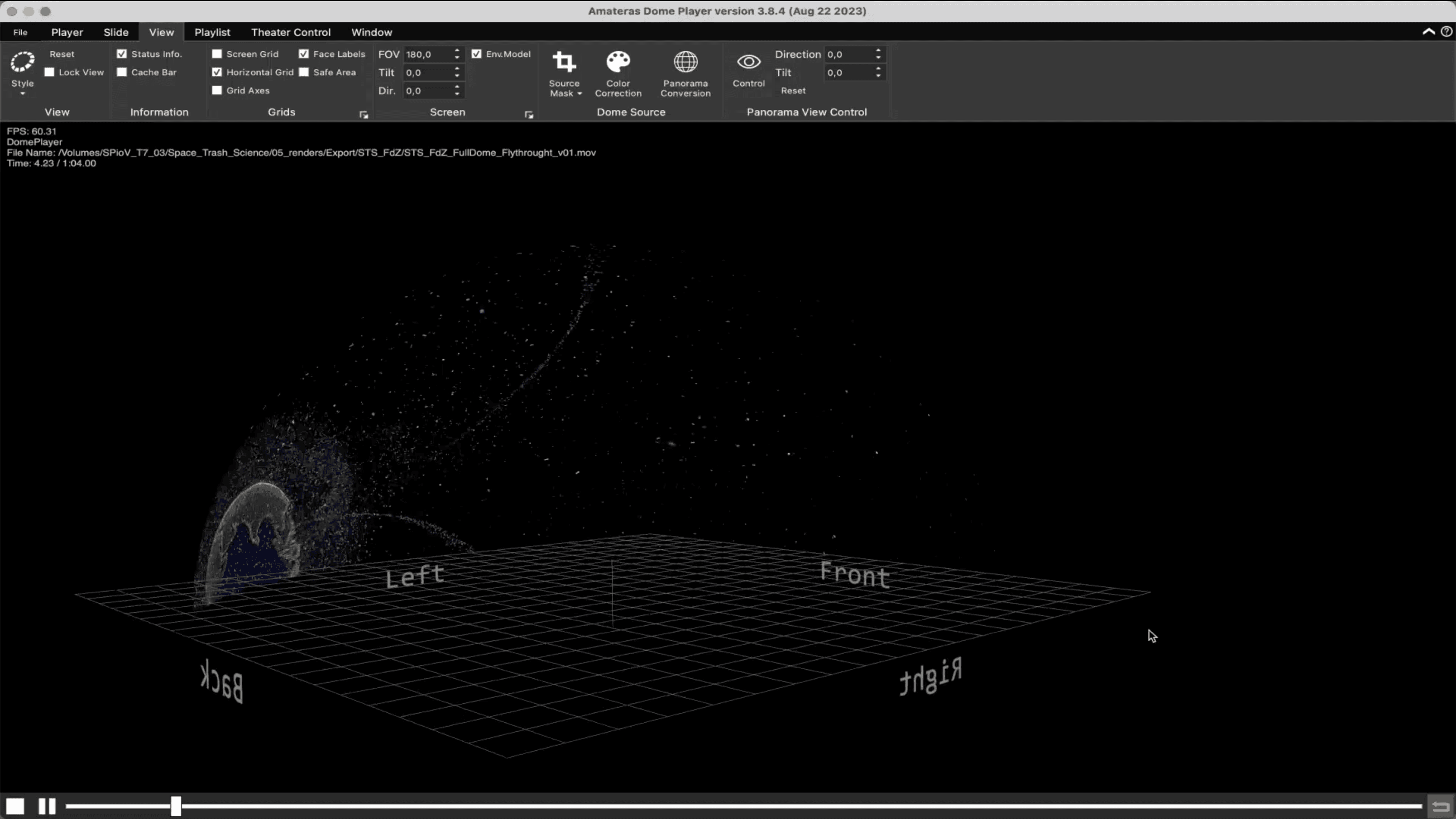
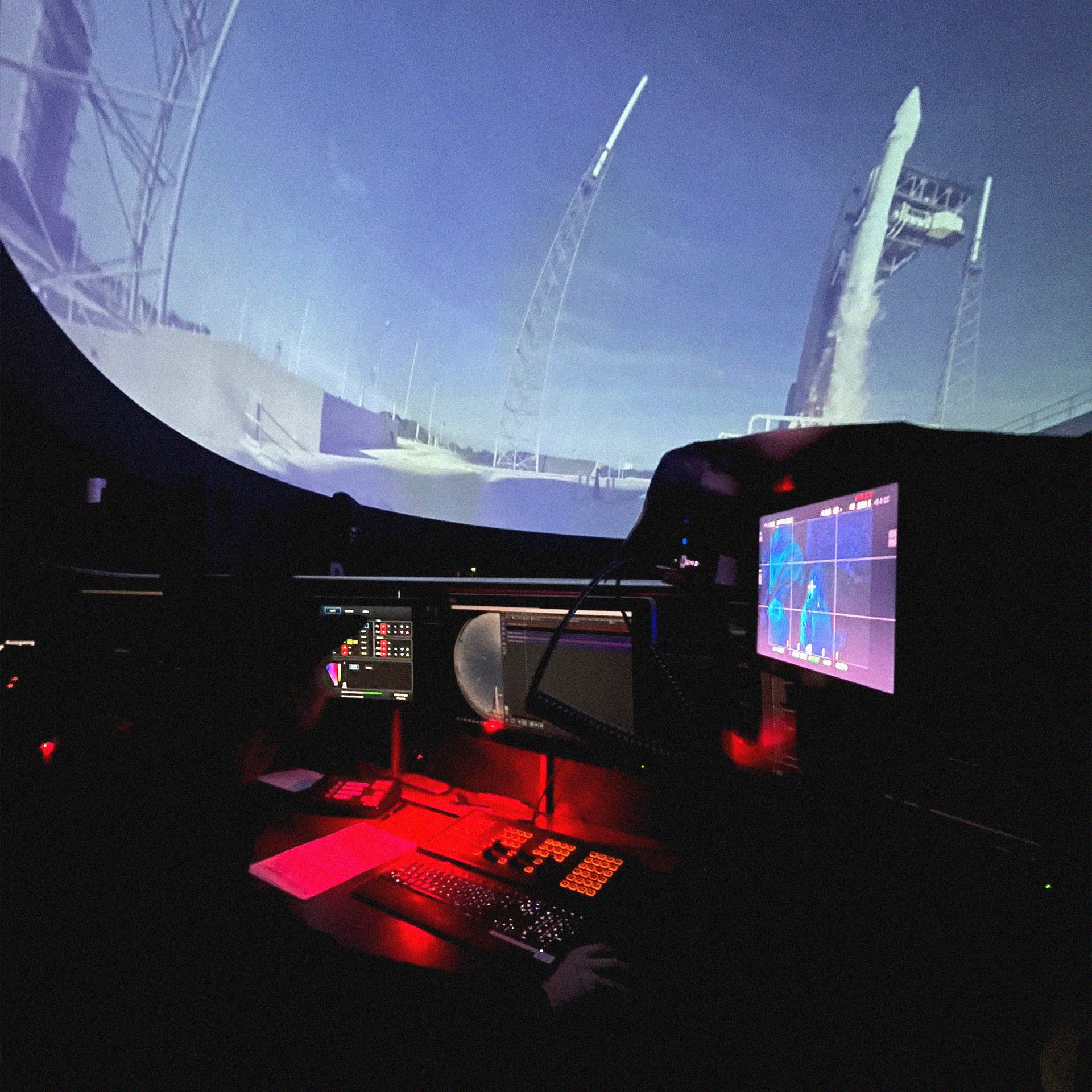
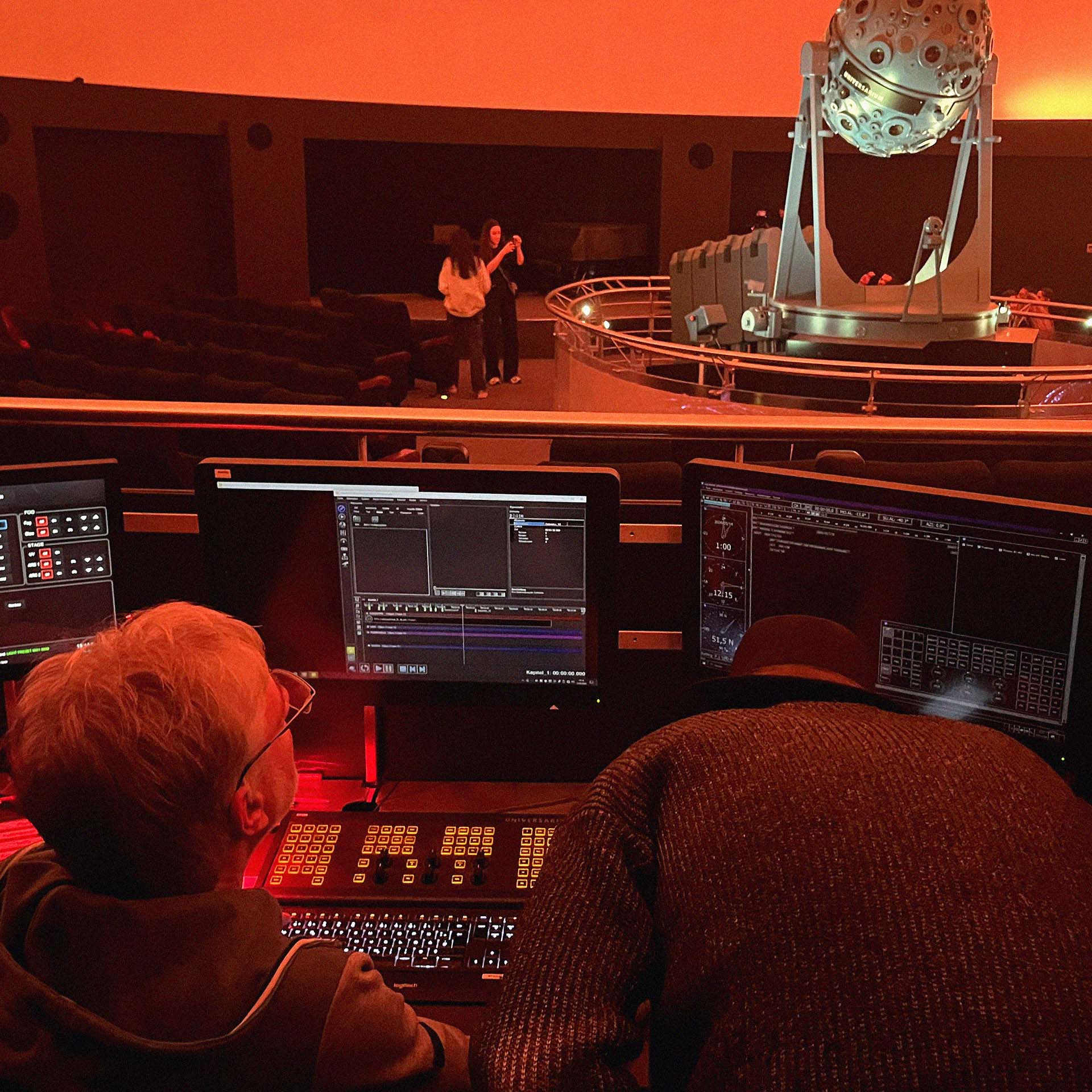
Space Trash Signs was brought into the real world through an immersive planetarium screening. The experience was adapted for dome theaters with the Amateras Dome Player system. The initiative was also featured at Festival der Zukunft at Deutsches Museum, which happens to be the site of the world's first projection planetarium.
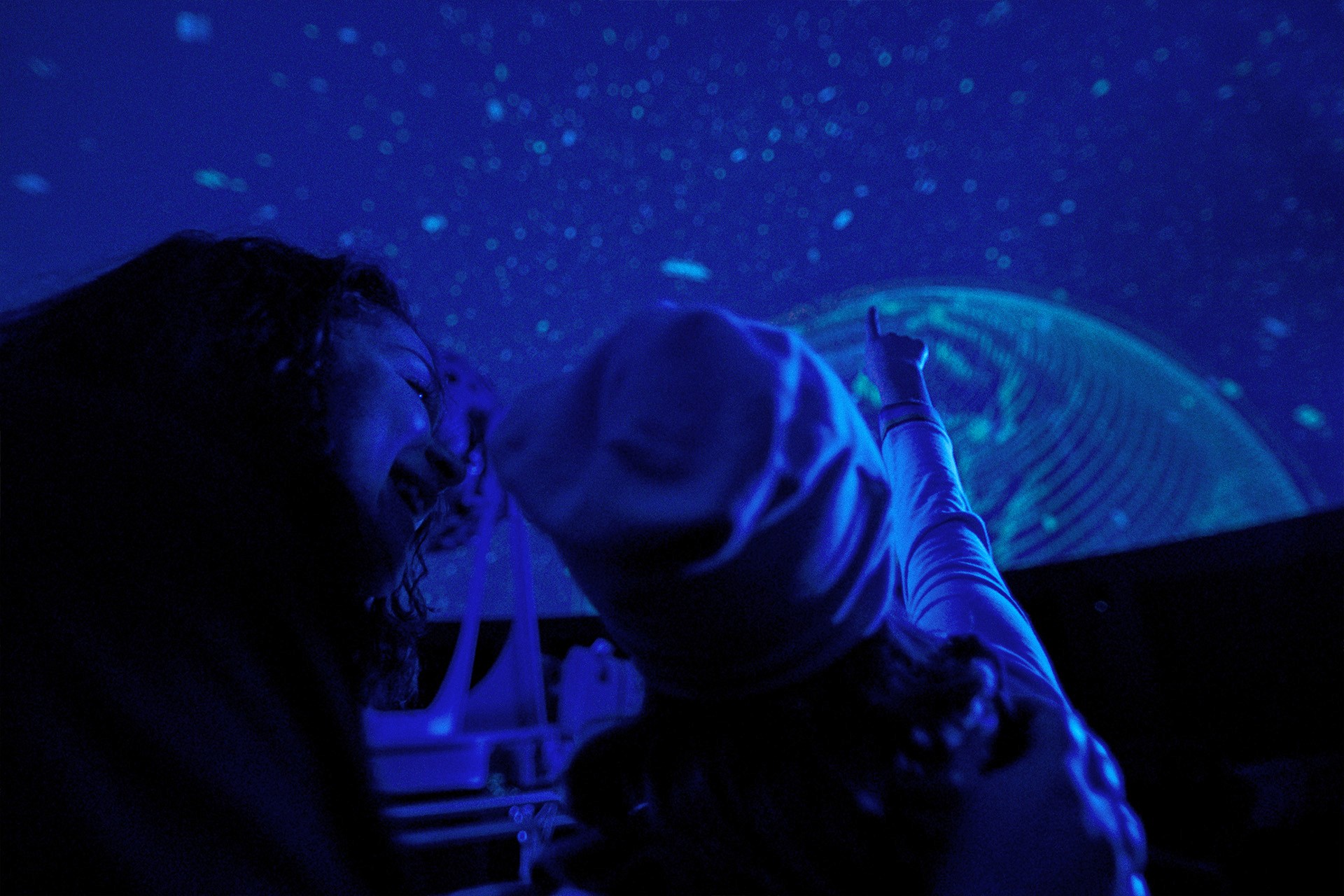
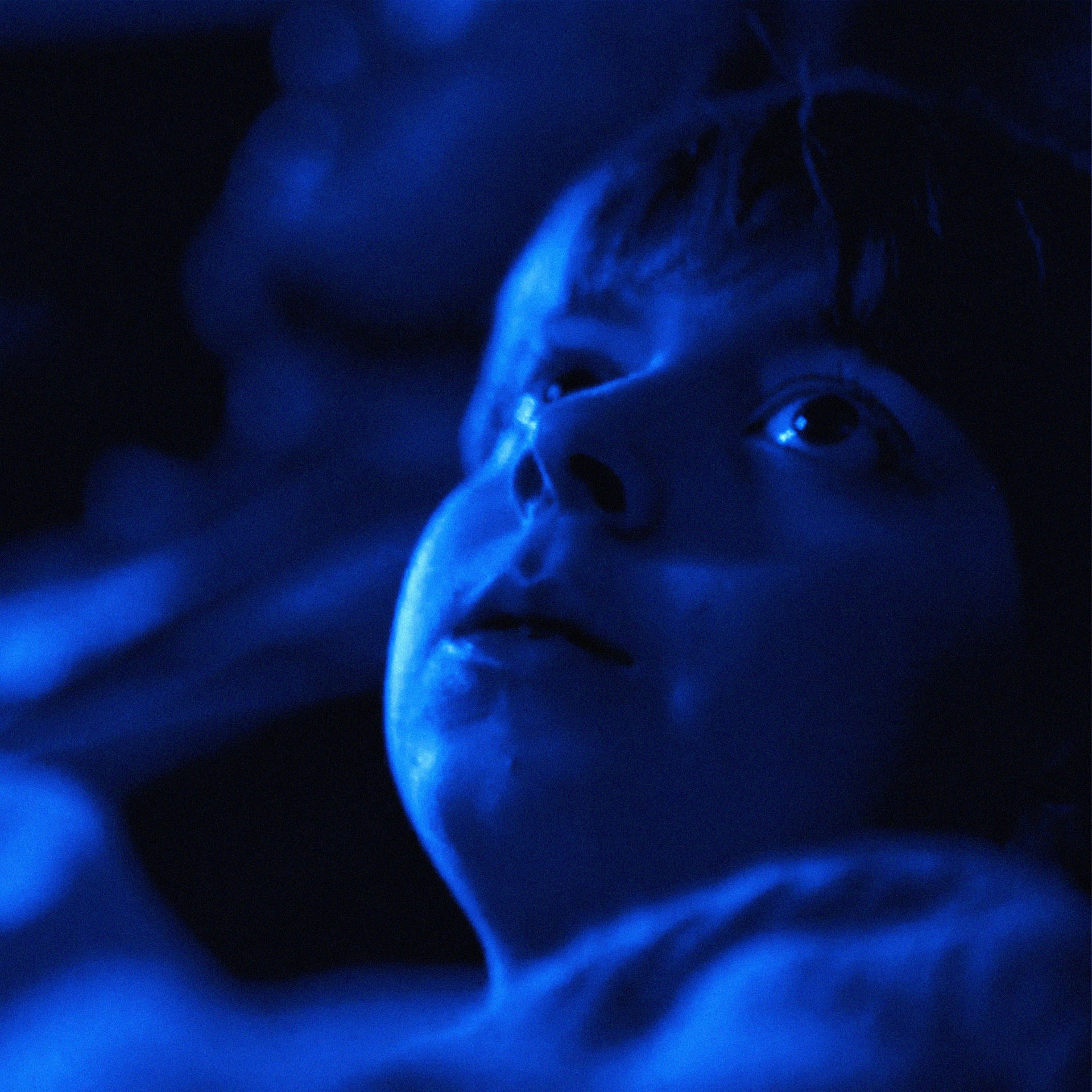
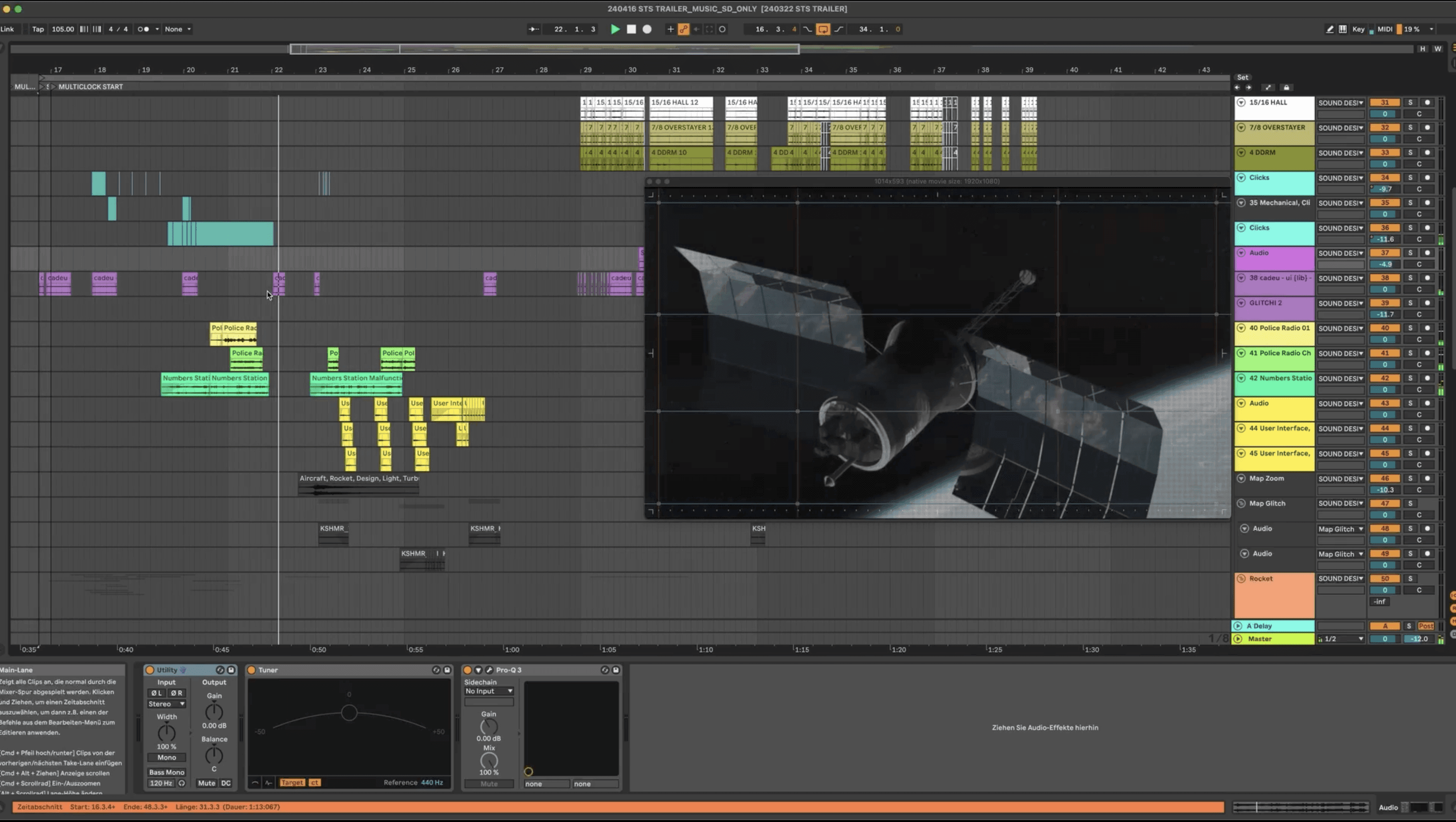
The audio of the experience was composed by Jürgen Branz using a modular synthesiser. The sound design was intended to give a atmospheric feeling like how we would imagine outerspace to be, before the layered sounds of launching and crashing disrupt the peace with the reality of space debris.
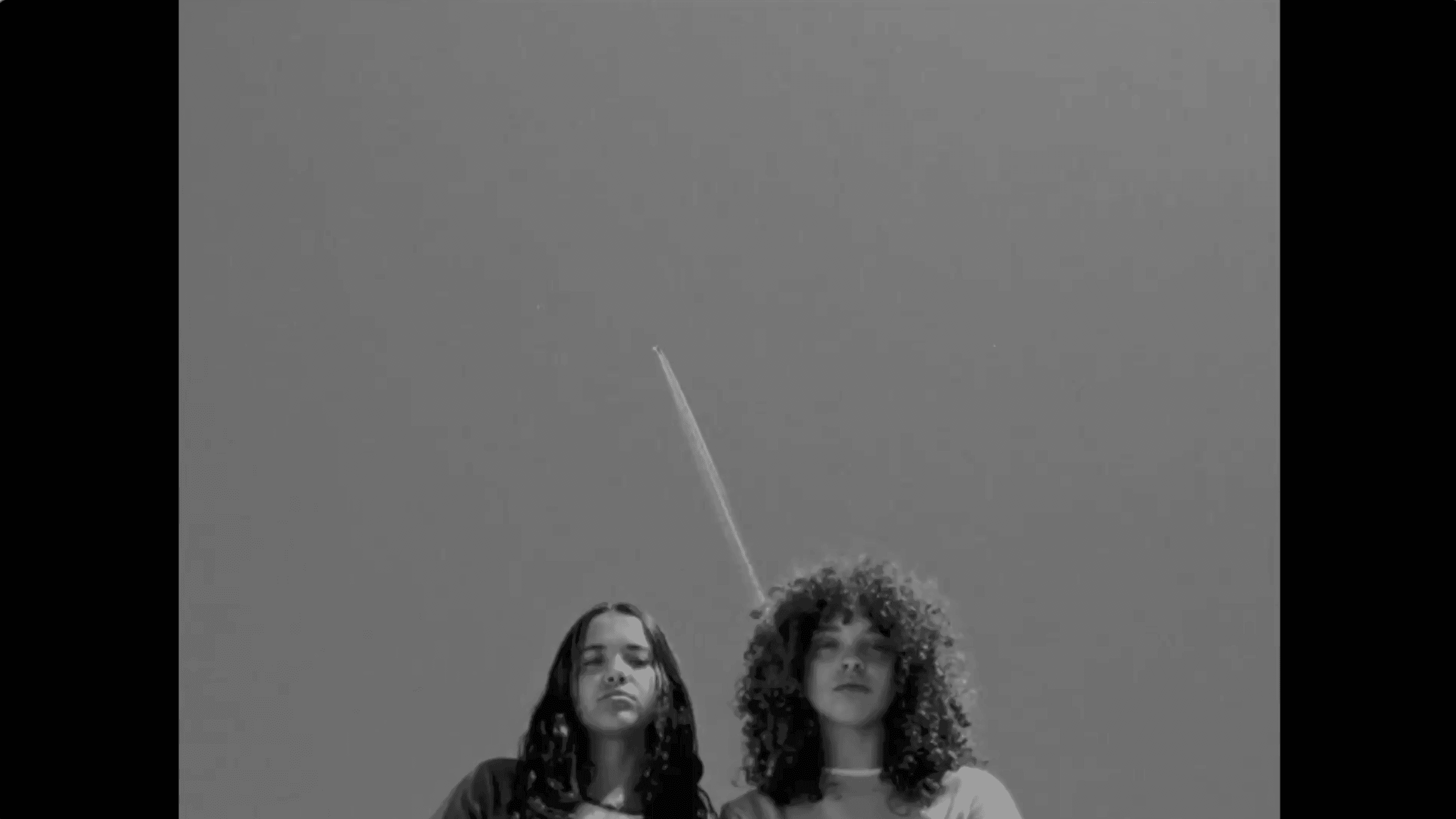
Inspired by our conversation with the European Space Agency, our collaborator and DOP Alex produced a Director’s Cut for the project.
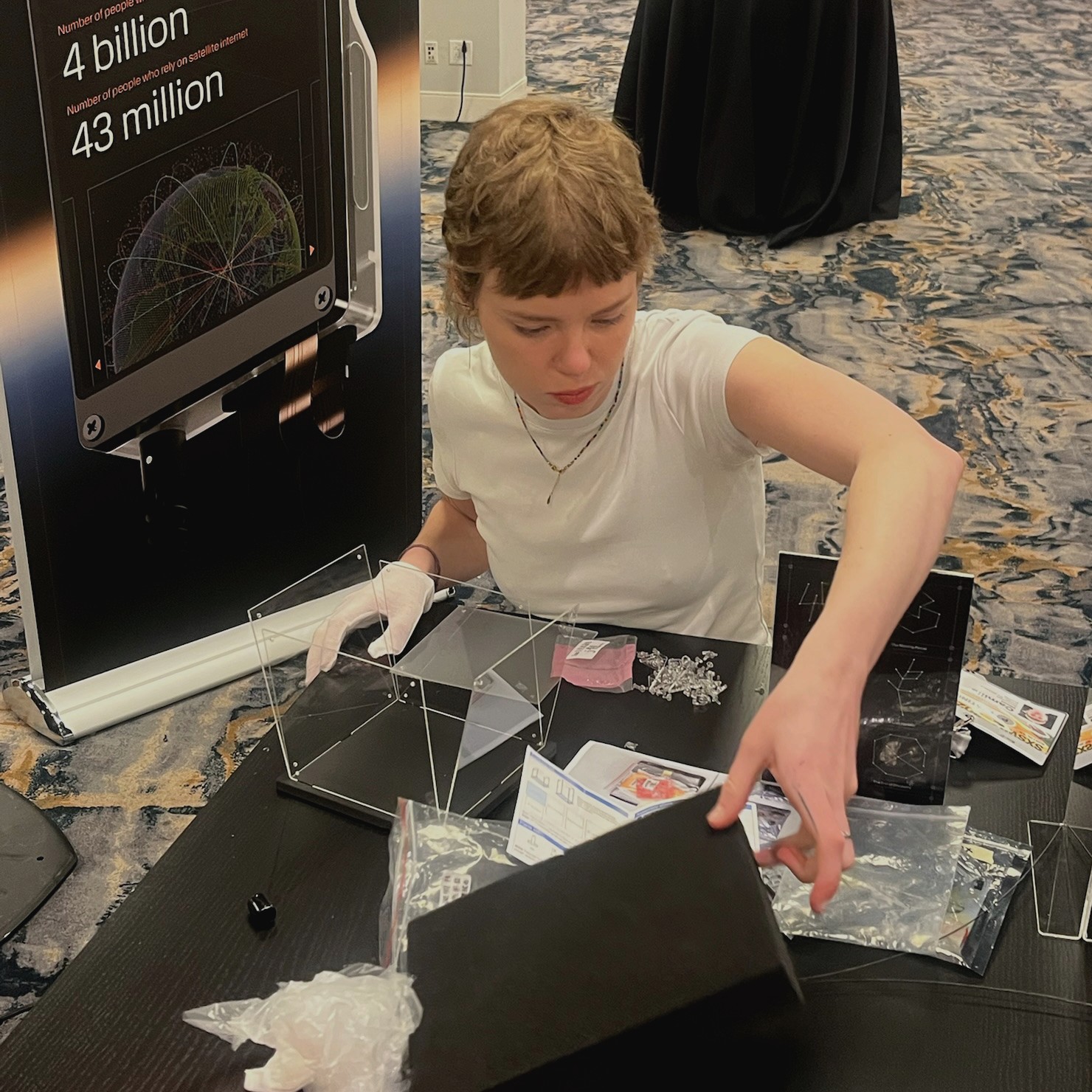
Finally, here's a little sneak peak from behind the scenes :)
Credits
Serviceplan Innovation, Moby Digg, Owls Department, Peoplegrapher, Jürgen Branz, kimera, European Space Agency, Astroscale, Mediaplus Group, Peppercomm, Tom Kubik